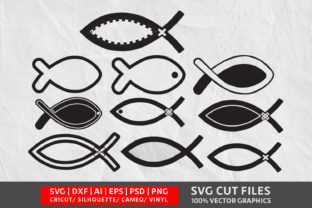
Christian Fish: A Strategic Symbol for Purposeful Branding and Communication
The Christian Fish, known formally as the Ichthys, is one of the oldest and most widely recognized symbols in the world. For centuries, it has served as a quiet yet powerful marker of faith, identity, and belonging. But beyond its religious origins, the Christian Fish carries strategic weight for entrepreneurs, creators, marketers, and professionals who want to communicate values, build trust, and signal alignment with a specific audience. When used thoughtfully, this simple emblem can become a tool for positioning, decision-making, and long-term brand coherence.
This article explores the Christian Fish not as a mere icon, but as a strategic asset. We will examine how it can support your goals, enhance your communication, and help you make better decisions about who you serve and how you present your work. Whether you are a small business owner considering a logo, a blogger defining your voice, or a professional seeking to clarify your message, the Christian Fish offers a lens worth examining.
What the Christian Fish Represents and Why It Matters Strategically
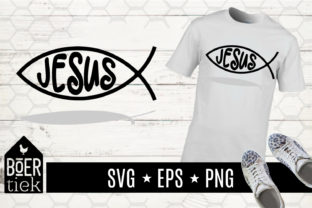
At its core, the Christian Fish is a symbol of faith. Five simple arcs form the shape of a fish, and the Greek letters ΙΧΘΥΣ (Ichthys) spell out “Jesus Christ, Son of God, Savior.” Historically, it was used by early Christians to identify themselves discreetly in times of persecution. Today, it appears on car bumpers, business signs, websites, and product packaging as a public declaration of Christian belief.
From a strategic standpoint, the Christian Fish is a shorthand signal. It tells an audience, “This person, business, or organization operates from a Christian worldview.” That signal can be enormously valuable if you serve a community that shares that worldview. It can also be a filter, helping you attract aligned clients, customers, or collaborators while naturally deterring those who would not be a good fit. In a crowded marketplace, clarity about who you are and what you stand for is a competitive advantage.
The strategic power of the Christian Fish lies in its simplicity. It is not a lengthy mission statement or a complex value proposition. It is a visual anchor that quickly communicates a set of assumptions about integrity, service, ethics, and purpose. When your audience understands that anchor, they interpret your actions, words, and offerings through that lens. That can streamline trust-building and reduce the friction of explaining your motives from scratch.
Aligning the Christian Fish with Your Goals and Planning
Before you use the Christian Fish in any public or professional context, it is worth asking what goals you are trying to achieve. Are you signaling faith to attract like-minded customers? Are you reinforcing a personal brand that centers on Christian values? Are you building a community around shared beliefs? The answer to these questions will shape how and where the symbol appears.
For a business, the Christian Fish can be a component of a broader positioning strategy. A real estate agent might include it on a website to connect with clients who prioritize honesty and service. A graphic designer might feature it in a portfolio to attract churches or ministries. A coffee shop owner might place it on signage to create a welcoming environment for local Christian groups. In each case, the symbol is not random—it is a deliberate choice that supports a specific plan.
When planning your use of the Christian Fish, consider the following:
- Audience alignment: Does your target audience value or recognize this symbol? If you serve a secular or diverse market, the fish might not resonate—or could even alienate. Be honest about whom you are trying to reach.
- Consistency: If you use the Christian Fish in one place (your logo, your email signature, your social media bio), it should align with your actions and offerings elsewhere. Inconsistency erodes trust.
- Long-term fit: Symbols carry meaning that evolves slowly. If your goals shift in a few years, will the Christian Fish still serve you? Consider the longevity of your message.
Planning around the Christian Fish also means thinking about the full customer or audience experience. If you signal Christian values, your audience will expect those values to be reflected in how you handle customer service, resolve conflicts, price your offerings, and treat your team. The symbol is a promise; your operations must keep that promise.
Using the Christian Fish in Communication and Branding
The most common use of the Christian Fish is in branding. It appears on logos, business cards, signage, packaging, and digital profiles. For many professionals, it is a way to integrate personal faith with professional identity. But branding is not just about visuals—it is about the entire narrative you build around your work.
If you incorporate the Christian Fish into your brand, consider how it interacts with your other brand elements. Does your color palette, typography, and tone of voice support the same values? A playful, irreverent brand might clash with the solemnity of a religious symbol. A minimalist, modern design might complement it well. The fish should feel intentional, not tacked on.
In communication, the Christian Fish can serve as a subtle anchor in your messaging. You might not need to explain it every time; its presence alone can frame how people read your content. For example, a blogger writing about parenting, finance, or health can let the fish signal that their advice is rooted in a Christian worldview. Readers who share that worldview will approach the content with a presumption of shared values. Readers who do not will self-select out, which can actually be a benefit if your goal is to serve a specific tribe deeply rather than a broad audience shallowly.
One practical approach is to use the Christian Fish as a filter in your content strategy. When deciding what topics to cover or how to handle sensitive subjects, ask: Does this align with the values this symbol represents? If you are unsure, that is a sign to pause and reflect before publishing or promoting.
Creativity, Productivity, and Decision-Making Through a Christian Lens
The Christian Fish can also influence how you approach creativity and productivity. For many professionals, faith is not just a personal matter—it shapes their work ethic, their definition of success, and their relationships with clients and colleagues. Using the fish as a reminder of your values can ground your decision-making in moments of pressure.
For instance, when you face a choice between a quick profit and a more ethical path, the Christian Fish can serve as a silent prompt to choose integrity. When you are tempted to cut corners on quality, the symbol can remind you that your work is an offering. This is not about performative piety; it is about using a meaningful marker to stay aligned with your deeper commitments.
In creative work, the Christian Fish can inspire you to explore themes of redemption, service, hope, and community. These are universal human themes that resonate beyond religious audiences. A filmmaker, writer, or musician who operates from a Christian worldview can produce work that is both authentic and widely appealing, without being preachy. The fish, in that context, is not a label but a source of creative grounding.
Productivity also benefits from clarity of purpose. When you know why you do what you do, and for whom, you waste less time on activities that do not serve that purpose. The Christian Fish can be a simple visual cue that brings you back to your mission when you feel scattered. Some professionals place it near their workspace or use it as a screensaver as a daily reminder of their intentional focus.
When to Use the Christian Fish and When to Pause
Not every context calls for the Christian Fish. Strategic use means knowing when it helps and when it might hinder. Here are some scenarios to consider:
- Use when: You serve a community that values Christian faith. You are building a brand around trust, service, and long-term relationships. You want to attract collaborators who share your worldview. You are comfortable with the symbol being the first impression for some audiences.
- Pause when: Your market is highly secular or pluralistic and the symbol could create unnecessary barriers. You are not prepared to consistently operate in a way that matches the symbol’s implied values. You are using the fish as a marketing gimmick without genuine commitment. You are in a regulated industry where religious symbols might complicate neutrality expectations.
There is no universal right or wrong answer. The key is intention. If you use the Christian Fish casually, without thought to its implications, you risk confusing your audience or appearing inauthentic. If you use it deliberately, as part of a coherent strategy, it can deepen your relationships and clarify your positioning.
Possible Risks of Using the Christian Fish Without Clear Goals
Every strategic choice carries risk, and the Christian Fish is no exception. One of the most common pitfalls is using the symbol without a clear understanding of what it communicates. Some professionals add it to their materials because it feels like a good idea, without considering how it will be interpreted by different segments of their audience.
Another risk is the perception of inconsistency. If you display the Christian Fish but your business practices do not reflect the values it implies—poor customer service, cutting corners, dishonesty—the symbol becomes a liability. People who notice the gap will feel misled, and the damage to your reputation can be worse than if you had used no symbol at all.
There is also the risk of alienating potential customers who do not share your faith. In some markets, this may be a calculated tradeoff. In others, it could be a significant loss. The decision requires honest assessment of your market and your priorities. If you are serving a broad audience, you might choose to keep the symbol private and let your values show through your actions rather than through a public emblem.
Finally, there is the risk of over-reliance. A symbol cannot substitute for genuine character, quality work, or clear communication. The Christian Fish is a signal, not a strategy. It works best when it supports a foundation that already exists.
How to Use the Christian Fish Intentionally
If you decide that the Christian Fish aligns with your goals, approach it with the same care you would any strategic decision. Here is a practical framework:
- Define your purpose. Write down why you want to use the symbol. Is it to attract a specific audience? To signal values? To reinforce your own focus? Be specific.
- Test for consistency. Review your current operations, messaging, and customer experience. Would someone who sees the fish be surprised by how you handle things? If so, adjust before adding the symbol.
- Choose placement wisely. A subtle, well-designed fish on your website footer or business card can be more effective than a large, obtrusive one. Let the symbol integrate naturally with your overall design.
- Monitor feedback. Pay attention to how your audience reacts. Are you attracting the right people? Are there unintended interpretations? Adjust as needed.
- Revisit periodically. As your goals evolve, reassess whether the Christian Fish still serves you. Symbols should be living parts of your strategy, not static decorations.
Long-Term Value of the Christian Fish in Professional Life
Used well, the Christian Fish can contribute to long-term outcomes that matter: trust, loyalty, community, and clarity. In a business landscape that often prioritizes speed and scale over depth and integrity, a simple symbol can be a grounding force. It reminds you and your audience of the values that underpin your work.
For entrepreneurs, the Christian Fish can be part of a brand story that endures. For creators, it can be a touchstone for authentic expression. For educators and professionals, it can signal a commitment to service over self-promotion. The symbol itself is not the value—it is the commitment it represents that matters.
The most effective use of the Christian Fish is one where the symbol fades into the background and the values it represents take center stage. Your audience may not always notice the fish, but they will notice the consistency, the care, and the integrity of your work. That is the goal: to let the symbol point to something larger than itself.
In the end, the Christian Fish is a tool. Like any tool, its value depends on how skillfully and intentionally you use it. When aligned with clear goals, thoughtful planning, and consistent action, it can support better decisions, stronger communication, and deeper connections. That is not just good strategy—it is good stewardship.