Patterned Cross, Christian Files, Cross Monogram: A Practical Guide for Thoughtful Selection
When you are researching visual elements for a faith-based project, the combination of a Patterned Cross, Christian Files, Cross Monogram often emerges as a central consideration. Whether you are designing a church logo, creating personal devotional materials, or developing resources for a ministry, understanding what these elements offer and how they compare is essential. This article provides a balanced examination to help you determine whether these design resources align with your goals.
Understanding the Core Components
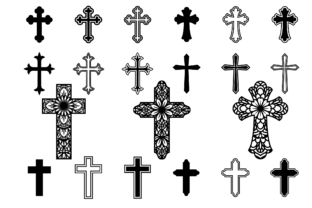
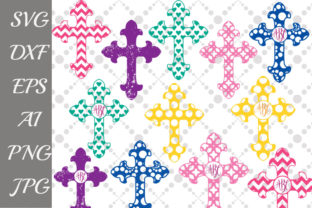
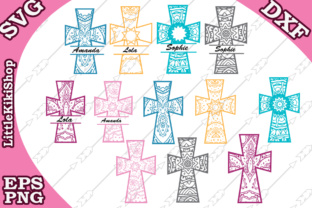
A Patterned Cross refers to a cross design that incorporates repeating motifs, geometric shapes, or ornamental details within its form. These patterns can range from Celtic knotwork to floral tracery, from contemporary geometric grids to traditional filigree. The pattern adds visual depth and often carries symbolic meaning beyond the cross itself. Christian Files, as a category, encompass digital assets such as SVG vectors, PNG images, EPS files, and editable templates that feature Christian symbols, including crosses, ichthys, doves, and scriptural typography. A Cross Monogram is a design that combines a cross with letters, typically initials, to create a unified emblem. This might be a Christogram such as the Chi-Rho, or a personal monogram where a cross is integrated with a family or organizational initial.
When you evaluate a Patterned Cross, Christian Files, Cross Monogram, you are essentially assessing three distinct but interconnected design resources. Each serves a different primary purpose, yet they are frequently used together in cohesive visual branding. Understanding the nature of each component helps you make informed decisions about what to prioritize for your specific project.
Why These Resources Attract Interest
People are drawn to a Patterned Cross, Christian Files, Cross Monogram for several practical and aesthetic reasons. For many, the cross is the most recognizable symbol of their faith, and they want to represent it with care and creativity. A patterned cross offers an opportunity to infuse tradition with artistic expression, making the symbol feel personal or culturally specific. Christian files provide convenience and consistency—they save time by offering ready-to-use vectors or templates that can be customized without starting from scratch. Cross monograms appeal because they combine identity with symbolism, creating a mark that is both personal and universally understood.
Interest also stems from the need for distinctiveness. In a landscape where many churches and ministries use similar imagery, a well-chosen Patterned Cross, Christian Files, Cross Monogram can help a group stand out while remaining recognizably Christian. For individuals, such as wedding planners or those creating memorial materials, these elements allow for a meaningful visual language.
Benefits of Using Patterned Crosses
Patterned crosses offer visual richness that a plain cross may lack. They can communicate a specific tradition—for instance, Celtic patterns evoke ancient Celtic Christianity, while geometric patterns may feel modern and clean. They also provide more surface area for color, texture, or metallic effects, which can be striking in print or on screens. However, a tradeoff is that intricate patterns may not scale down well. A detailed patterned cross that looks beautiful on a large banner may become muddy or indistinct on a small business card or favicon. You need to consider the primary use cases for your design before committing to a complex pattern.
Benefits of Using Christian Files
Christian files offer immediacy and precision. High-quality vector files allow you to scale a Patterned Cross, Cross Monogram, or other symbol to any size without loss of resolution. This is invaluable when you need the same graphic for a billboard, a website, and a brochure. Many Christian files are also layered, giving you control over colors, opacity, and individual elements. The tradeoff is that not all Christian files are created equal. Some may have restrictive licenses, poor organization, or outdated aesthetics. You must evaluate the source, file format, and usage rights before downloading or purchasing. Free files, in particular, may come with limitations that could complicate commercial or ministry use.
Benefits of Using Cross Monograms
A cross monogram combines two powerful identifiers: the cross and a letter or letters. This creates a compact, memorable logo that works well in small spaces. For a church named "Grace," a monogram that weaves a cross into the letter "G" can be both elegant and functional. The tradeoff is legibility. If the cross and letter are too intertwined, the monogram may be difficult to read from a distance or at small sizes. You also risk the monogram looking dated or overly ornate if the design is not executed with restraint. A cross monogram should be tested in both color and black-and-white, at large and small scales, before finalization.
Situations Where This Approach Is a Strong Fit
A Patterned Cross, Christian Files, Cross Monogram combination works particularly well in several scenarios:
- Church branding projects: When a congregation wants a cohesive visual identity that feels both reverent and contemporary, these elements provide a flexible toolkit. The patterned cross can serve as a hero image, while the monogram becomes the logo lockup.
- Personal devotional materials: Individuals creating journals, prayer cards, or Bible study guides often appreciate the ability to customize a cross pattern to reflect their personal aesthetic or spiritual journey.
- Event materials: For weddings, baptisms, confirmations, or holiday services, a patterned cross or monogram adds a polished, thematic touch that coordinates across programs, invitations, and signage.
- Ministry resources: Organizations that produce curriculum, social media graphics, or promotional materials benefit from the consistency that a set of well-chosen Christian files provides.
In these situations, the combination of pattern, file versatility, and monogram identity creates a coherent visual language that supports the underlying message without distracting from it.
When Alternatives May Be Worth Considering
There are also situations where a Patterned Cross, Christian Files, Cross Monogram approach may not be the best fit. Consider alternatives if any of the following apply:
- You need absolute simplicity. If your audience includes people who may not be familiar with Christian symbolism, or if the design must be universally interpreted at a glance, a plain cross or a simple typographic treatment may be more effective. Patterned designs, while beautiful, add visual complexity that can slow recognition.
- Your project has very limited space. On a small button, a favicon, or a thumbnail, a detailed patterned cross or an intricate monogram may become illegible. In such cases, a minimalist cross or a single bold letterform may serve better.
- Your brand requires a more modern or minimalist identity. Some churches and organizations deliberately avoid ornamental elements to communicate transparency, simplicity, or a focus on content over form. A plain cross, a sans-serif wordmark, or an icon with clean lines may align better with that philosophy.
- You lack design expertise. If you are working alone without a designer or skilled volunteer, customizing patterned crosses or creating a balanced monogram can be challenging. Off-the-shelf Christian files may still be useful, but using a simple, well-crafted stock logo might be more practical than trying to assemble multiple elements into a coherent system.
Alternatives worth exploring include single-symbol logos, typographic logos based on scripture or church names, abstract symbols that evoke faith without directly depicting a cross, or hand-drawn illustrations that feel more organic and less structured.
Practical Decision-Making Insights
To determine whether a Patterned Cross, Christian Files, Cross Monogram approach aligns with your goals, start by defining your primary use case. Are you creating a logo that will appear mainly on a website and social media, or do you need a suite of materials including print, signage, and merchandise? The broader your use case, the more important it becomes to choose simple, scalable designs.
Next, evaluate your audience. A congregation with deep liturgical traditions may resonate more with a historically rooted patterned cross, such as a Celtic or Byzantine design. A younger, more casual audience might prefer a clean monogram or a modern geometric pattern. Your goal is to communicate respect for the symbol while connecting with the people who will see it most.
Consider also the long-term viability of your choice. Trends in design shift, but a Patterned Cross, Christian Files, Cross Monogram selection rooted in enduring symbolism and timeless aesthetics will serve you well for years. Avoid overly trendy patterns that may feel dated in a few seasons. Test your designs in black and white, at very small and very large sizes, and on both screens and paper before committing.
Finally, pay attention to licensing. If you download Christian files from online marketplaces or free resource sites, read the terms carefully. Some files are free for personal use but require a license for commercial or church use. Investing in high-quality, properly licensed files upfront prevents legal and ethical complications later.
Aligning Your Choice with Your Goals
Choosing a Patterned Cross, Christian Files, Cross Monogram is ultimately about aligning visual elements with purpose. If your goal is to create a distinctive, meaningful identity that honors Christian tradition while allowing for artistic expression, these resources offer a rich palette. If your goal is maximum clarity, simplicity, or universality across a very broad audience, a more restrained approach may serve you better.
There is no single right answer. The most effective choice is the one that fits your context, your audience, and your practical constraints. By understanding the strengths and limitations of patterned crosses, the convenience and variability of Christian files, and the identity-forming power of cross monograms, you can make a decision that feels both intentional and authentic.
Take the time to explore multiple options, gather feedback from stakeholders, and test your designs in real-world scenarios. The effort you invest in thoughtful evaluation will pay dividends in the clarity and resonance of your final visual identity.