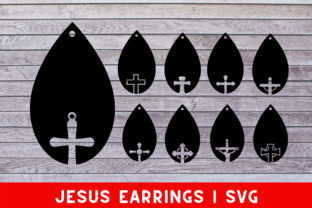
The Rise of Jesus Earrings: Faith, Fashion, and the Evolution of Personal Expression
In an era defined by authenticity and meaningful self-expression, accessories have evolved far beyond mere adornment. They now serve as signals of identity, belief, and belonging. Among the most intriguing developments in this space is the growing prominence of Jesus Earrings—jewelry that prominently features imagery of Jesus Christ, often as crucifixes, portrait-inspired pendants, or stylized iconography. While religious jewelry has existed for centuries, the current wave of attention around Jesus Earrings is distinct. It reflects a convergence of cultural shifts, consumer demands, and creative innovation that professionals across industries cannot afford to ignore.
This article explores what Jesus Earrings represent, why they are resonating with diverse audiences, and how they fit into broader market and lifestyle trends. Whether you are a designer, entrepreneur, marketer, or enthusiast, understanding the dynamics behind this phenomenon offers actionable insights into the intersection of faith, commerce, and personal identity.
What Exactly Are Jesus Earrings?
At its simplest, a Jesus Earring is an earring that features the likeness of Jesus Christ—typically as a pendant or charm. These earrings range from minimalist silver crucifixes to intricate portrait cameos, from streetwear-inspired gold pieces to vintage-style filigree designs. The common thread is the deliberate inclusion of Jesus as a visual focal point, often worn in one ear or as a matching pair.
Historically, religious jewelry has included crosses, saints, and medallions. Jesus Earrings, however, place the central figure of Christianity front and center. They are not merely tokens of faith; they are fashion statements, conversation starters, and markers of personal narrative. The term itself has gained traction in recent years through social media, music culture, and independent jewelry brands that cater to a new generation seeking meaning in their purchases.
Unlike mass-produced, generic cross earrings, Jesus Earrings often emphasize craftsmanship, authenticity, and individuality. Many are handcrafted by artisans or produced in limited runs. This aligns with a broader shift away from disposable fashion toward items that carry emotional and spiritual resonance.
Why Jesus Earrings Are Capturing Attention
The rise of Jesus Earrings can be attributed to several overlapping factors. First, there is a growing desire for authenticity in a marketplace saturated with fleeting trends. Consumers—especially younger professionals and creatives—are increasingly drawn to items that tell a story. A Jesus Earring does that instantly: it communicates faith, heritage, rebellion, or reverence depending on the wearer’s context.
Second, the fashion industry has seen a resurgence of religious iconography as a design element. From haute couture runways to street style, symbols like crosses, halos, and biblical imagery appear regularly. Jesus Earrings take this one step further by focusing on the figure of Christ himself. This detailed representation requires higher skill from jewelers, adding perceived value and exclusivity.
Third, the earring format itself is significant. Earrings are highly visible and often asymmetrical when worn singly, allowing wearers to make a deliberate statement without being overtly loud. Paired with contemporary outfits, Jesus Earrings blend sacred symbolism with everyday wear, making them versatile for both casual and professional settings.
We also see attention from entrepreneurs and creators who recognize the niche market for faith-based accessories. Independent jewelry designers report strong sales of Jesus Earrings through platforms like Etsy, Instagram, and specialized boutiques. The demand spans demographics: young adults exploring spirituality, older generations wanting heirloom-quality pieces, and even non-religious individuals who appreciate the aesthetic or cultural significance.
How Jesus Earrings Fit Into Broader Consumer Trends
Jesus Earrings are not an isolated fad; they are part of larger movements in consumer behavior and lifestyle. Here are key trend intersections:
1. Personal Symbolism in Accessories
Consumers are moving away from logo-heavy brand signaling toward items that reflect personal values. Jesus Earrings align perfectly with this. They allow wearers to broadcast their faith, spirituality, or appreciation for religious art without needing words. This trend is especially strong among professionals who want subtle yet meaningful style cues in the workplace.
2. The Rise of Slow Fashion and Artisan Craft
Mass-produced jewelry is losing appeal as people seek unique, quality pieces. Jesus Earrings often require detailed engraving or casting, making them inherently more artisanal. This fits the slow fashion movement, where buyers invest in fewer, better items. Small batch production, ethical sourcing, and handmade techniques are now selling points, and Jesus Earrings benefit from that narrative.
3. Spiritual Exploration and Identity Fluidity
Modern spirituality is less institutional and more personal. Many people identify as "spiritual but not religious." Jesus Earrings can be worn by believers and non-believers alike, each assigning their own meaning. This fluidity makes them relevant in a diverse marketplace. For marketers, this means positioning the product not as purely religious but as a cultural artifact.
4. Gender-Neutral and Unisex Design
Religious jewelry has traditionally been gendered, but Jesus Earrings are increasingly designed for everyone. Both men and women wear them, often as single studs or hoops. This inclusivity expands the target audience and aligns with contemporary jewelry trends that blur male/female lines.
5. Social Media and Visual Storytelling
Platforms like Instagram and TikTok thrive on visually striking, meaningful content. Jesus Earrings photograph well and invite storytelling. Brands and influencers share the backstory of the artisan, the symbolism of the design, or the customer’s testimony. This organic marketing drives visibility and creates a community around the product.
Practical Considerations for Creators and Entrepreneurs
If you are developing products or marketing around Jesus Earrings, the following observations from industry players can guide your approach:
Design with Intention
The imagery of Jesus must be crafted with respect and accuracy. Poorly executed designs can offend or appear cheap. Invest in skilled designers who understand both jewelry techniques and religious iconography. Collaborations with artists, theologians, or cultural consultants can add depth.
Diversify Your Range
Offer variations: classic cross, portrait pendant, halo design, minimalist silhouette, or contemporary interpretations using negative space. Different styles appeal to different preferences. Some customers want overt religious symbols; others prefer subtle nods. A diverse catalog captures more of the market.
Emphasize Craftsmanship and Story
Product descriptions should highlight materials, origin, and the inspiration behind each piece. Use words like "handcrafted," "sterling silver," "vermeil," or "limited edition." Share photos of the creation process. This builds trust and justifies higher price points.
Leverage Niche Platforms
Beyond general marketplaces, consider selling on platforms that cater to faith-based communities or ethical fashion. Partner with influencers who align with the values the earrings represent—rather than just trend-driven promoters.
Be Mindful of Cultural Sensitivity
Remember that Jesus Earrings carry deep meaning for many. Avoid trivializing the symbol in marketing or packaging. Frame your brand as one that honors both artistry and belief. This authenticity resonates with conscious consumers.
The Intersection of Faith, Culture, and Commerce
Jesus Earrings sit at a fascinating crossroads. They represent the monetization of sacred imagery, yet they also serve as vehicles for personal expression and community connection. The commercial success of such items reflects a broader reality: consumers today want purchases to be meaningful. They want to wear their values, their history, and their hopes.
For marketers and entrepreneurs, this underscores the importance of emotional storytelling. A Jesus Earring is not just a piece of metal; it is a badge of identity. Brands that understand this can build loyalty that transcends a single transaction. For professionals and creators, the trend highlights opportunities in niche markets that fuse art, belief, and commerce. The key is to move beyond generic religious goods and offer something with design integrity and cultural relevance.
As the line between fashion and faith continues to blur, Jesus Earrings will likely remain a meaningful category. They reflect a generation that refuses to compartmentalize their lives—faith is not just for Sunday, and style is not just for show. In wearing these earrings, people make a quiet but powerful statement: what I believe shapes who I am, and that deserves to be seen.
Whether you are considering adding Jesus Earrings to your product line, using them as a case study in consumer trends, or simply observing the cultural landscape, the lesson is clear. The most successful products are those that help people tell their own stories. Jesus Earrings do exactly that—and that is why they continue to capture attention across markets and lifestyles.
As the market evolves, expect to see more collaborations between jewelry artists, fashion houses, and faith leaders. Expect innovative materials like recycled metals or ethically sourced gemstones infused with symbolic meaning. Expect Jesus Earrings to appear in more editorial spreads, music videos, and everyday street style. The trend is not a flash in the pan; it is a reflection of how deeply people crave connection—to their beliefs, their heritage, and their communities.
For those willing to engage with this space thoughtfully, the opportunity is not merely to sell earrings. It is to participate in a conversation about what we value, how we express it, and why accessories have become one of the most personal forms of communication in the twenty-first century.