Who Needs Eggs When You've Got Jesus SVG: Faith, Creativity, and the New Language of Believer Branding
In the crowded ecosystem of digital design assets, certain phrases and motifs break through the noise not because they are loud, but because they are resonant. Who Needs Eggs when You've Got Jesus SVG is one of those assets. At first glance, it reads as a playful Easter alternative—a clever twist on the secular egg hunt, swapping chocolate bunnies for the resurrected Christ. But look closer, and you will find that this single SVG encapsulates a much larger shift in how faith-based creators, entrepreneurs, and believers approach visual communication, brand identity, and cultural relevance.
For the professional who designs for churches, runs a faith-based Etsy shop, or manages content for a religious organization, Who Needs Eggs when You've Got Jesus SVG is not just a file. It is a statement. It signals that the creator understands the tension between tradition and modernity, between sacred imagery and meme culture, and between timeless theology and the fast-moving language of design trends. This article explores what this SVG represents, why it matters beyond the surface humor, and how it fits into broader shifts in the creator economy, religious merchandising, and digital asset usage.
What Exactly Is "Who Needs Eggs When You've Got Jesus SVG"?
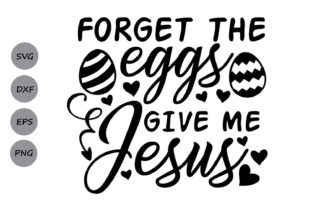
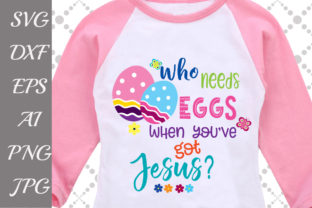
At its core, this is a scalable vector graphic—a digital design file that can be resized infinitely without losing quality. It typically features text or stylized lettering that reads "Who Needs Eggs When You've Got Jesus," often paired with cross imagery, floral Easter motifs, or minimalist typography. The phrase itself is a bold, affectionate jab at the secularization of Easter, reframing the holiday's central celebration away from egg hunts and toward the resurrection.
But the SVG format is deliberate. Unlike a static PNG or JPEG, an SVG is editable, customizable, and infinitely scalable. This makes it a favorite among creators, small business owners, and marketers who need to produce merchandise—t-shirts, mugs, tote bags, digital planners, social media graphics, church bulletins, and more—without hiring a graphic designer every time they want a new product variant. The SVG format empowers the user to become the producer, which is a defining characteristic of the modern creator economy.
The phrase itself operates on multiple levels. For believers, it is a sincere declaration of faith. For the design-savvy entrepreneur, it is a product that taps into a specific seasonal demand with a clear emotional hook. For the marketer, it is a piece of content that earns shares because it is bold, quotable, and shareable. In other words, Who Needs Eggs when You've Got Jesus SVG is a perfect example of how a single asset can serve devotional, commercial, and social purposes simultaneously.
The Creator Economy and the Rise of Niche Faith Assets
The broader context here is the explosion of the creator economy—a space where individuals build businesses around their own intellectual property, design skills, and audience relationships. Platforms like Etsy, Creative Market, Canva, and Printful have lowered the barrier to entry dramatically. Anyone with a good idea and a vector file can start selling products.
Within that space, faith-based design has grown from a small subcategory into a substantial niche. According to industry analysis, religious and spiritual merchandise has consistently outperformed many general lifestyle categories during seasonal peaks, particularly around Easter and Christmas. Consumers are looking for ways to express their beliefs that feel personal, modern, and authentic—not stale or factory-produced.
This is where Who Needs Eggs when You've Got Jesus SVG finds its natural home. It does not try to appeal to everyone. It speaks directly to a specific audience: Christians who want to celebrate Easter with theological clarity, but who also appreciate humor, clever design, and a touch of irreverence toward secular traditions. The SVG format gives them the flexibility to take that message and apply it to any physical product they choose.
For the entrepreneur, this means one design can become ten products. Sell the SVG file itself as a digital download. Print it on t-shirts. Engrave it on wooden coasters. Add it to a bundle of Easter-themed designs. The versatility of the vector format multiplies the revenue potential of a single creative concept. That is not just smart design—it is smart business.
Why People Are Paying Attention: Emotional Resonance Meets Practical Utility
Trends in consumer behavior often reveal a deeper desire beneath the surface. The attention around Who Needs Eggs when You've Got Jesus SVG is not merely about a clever pun. It reflects three converging shifts in how people approach faith, consumption, and design.
1. The Demand for Faith-Based Expression That Feels Authentic
Traditional religious imagery often feels heavy, dated, or disconnected from everyday life. Younger believers, in particular, want ways to express their faith that feel organic to their identity—not borrowed from a previous generation's aesthetic. A phrase like "Who Needs Eggs When You've Got Jesus" carries the cadence of a meme or a social media caption. It is colloquial. It is confident. It is the kind of thing a person might actually say, not just a bland slogan printed on a foam board.
Design assets that capture this tone are in high demand because they bridge the gap between devotion and daily life. Consumers are no longer content with generic crosses and Bible verses. They want personality, wit, and cultural fluency woven into their faith-based products.
2. The Shift from Physical to Digital-First Product Strategies
The SVG format itself is a signal of a larger trend: digital-first product creation. More entrepreneurs are building businesses around digital assets that customers can download and use immediately. This shifts the cost structure dramatically. No inventory, no shipping, no warehousing. The digital file is the product, and every sale is pure margin after the initial design cost.
This model is especially attractive for niche markets like faith-based design, where demand can be highly seasonal and inventory risk is a concern. Who Needs Eggs when You've Got Jesus SVG is the kind of asset that spikes in search volume in the weeks leading up to Easter, then drops off. A digital-first approach allows sellers to capture that surge without being left with unsold physical goods when the season passes.
3. The Blurring of Lines Between Creator and Consumer
One of the most significant shifts in the creative economy is the expectation that consumers should be able to remix, adapt, and personalize the products they buy. Buyers of SVGs are often creators themselves—they run small print-on-demand stores, design church bulletins, make gifts for their small groups, or run hobbyist crafting channels. They are not passive consumers. They are active producers who use the SVG as raw material for their own work.
This changes what "value" means. A buyer is not just purchasing a phrase. They are purchasing permission to make that phrase their own. They are buying flexibility, scalability, and the ability to create unique products for their own audience. The Who Needs Eggs when You've Got Jesus SVG becomes a node in a larger creative network, not a finished product.
How It Connects to Larger Developments in Design and Marketing
Looking beyond the niche, this phenomenon is part of a broader movement toward micro-niche content and community-driven branding. In a world where mass-market advertising is increasingly ignored, the most effective messages are the ones that feel like they were made just for you. Faith-based SVGs serve a community that is large enough to be commercially viable but specific enough that the content feels personal and targeted.
From a marketing perspective, the phrase "Who Needs Eggs When You've Got Jesus" works because it implies an in-group understanding. It assumes the audience already knows the Christian meaning of Easter and finds the secular version lacking. That shared understanding creates a bond between the seller and the buyer. It is not just a transaction; it is a recognition. The buyer sees the product, smiles, and thinks, "Yes, that's exactly how I feel." That emotional connection is the holy grail of modern marketing.
Additionally, the rise of SVG usage in the faith space mirrors the broader democratization of design tools. Platforms like Canva, Cricut Design Space, and Adobe Express have made it possible for non-designers to manipulate SVGs with drag-and-drop ease. This has expanded the addressable market for SVG assets far beyond professional graphic designers. Now, a volunteer running a church social media account or a parent making Easter shirts for a youth group can produce high-quality results without any formal training.
Practical Examples of Usage in the Market
To understand the real-world impact, consider a few scenarios where Who Needs Eggs when You've Got Jesus SVG is actively being used:
- A children's ministry director uses the SVG to create matching t-shirts for the Easter Sunday volunteer team. The design sparks conversations among parents and serves as a low-cost team-building tool.
- An Etsy seller bundles the SVG with 10 other Easter-themed faith designs and markets the bundle as a "Faithful Easter Mega Pack." The bundle sells hundreds of copies in March, generating passive income.
- A church social media manager extracts the phrase from the SVG, sets it over a sunrise photo, and uses it as the caption for an Instagram post. The post receives 3x the engagement of a standard Bible verse graphic because the language feels conversational and current.
- A print-on-demand entrepreneur uploads the SVG to Printful and offers a limited edition Easter hoodie. The product sells out in three days because the design resonates with customers who want something more substantive than a generic egg motif.
These examples illustrate a key point: the value of the SVG is not inherent in the file itself, but in the ecosystem of use cases it enables. The more versatile the asset, the more value it creates for its buyer. And that is precisely why designers who create faith-based SVGs are investing more effort in memorable phrases and high-quality vector execution.
Changing Expectations in the Faith-Based Consumer Market
Consumers who purchase religious products today have higher expectations than they did even five years ago. They expect design that competes with mainstream aesthetics. They expect humor and nuance, not just platitudes. They expect the ability to customize and repurpose. And they expect sellers to understand their identity, not just their demographic category.
An asset like Who Needs Eggs when You've Got Jesus SVG meets all of those expectations in one clean file. It is visually modern. It is linguistically clever. It is editable. And it clearly comes from a creator who understands the culture of modern Christianity—including its willingness to lovingly poke fun at itself.
For professionals operating in this space, the lesson is clear: generic religious content is no longer sufficient. The market rewards specificity, voice, and cultural attunement. Whether you are designing SVGs, writing copy, or building a brand strategy, the principles are the same. Know your audience well enough to speak their language, and give them tools they can use to tell their own stories.
Conclusion: More Than a File, a Signal
Who Needs Eggs when You've Got Jesus SVG is, on the surface, a simple design file. But it represents a confluence of forces that are reshaping the creative and commercial landscape around faith. It is a testament to the power of niche content in the creator economy. It is a demonstration of how digital formats enable scalable, flexible product strategies. And it is an example of how modern believers want to express their faith—with clarity, personality, and a touch of wit.
For entrepreneurs and creatives, paying attention to assets like this is not about the phrase itself. It is about understanding the why behind its popularity. People are not just buying a vector file. They are buying a way to say something meaningful, on a t-shirt or a social post or a church banner, in a voice that feels like their own. That is the real product. And that insight is what separates a good design asset from a great one.
As the creator economy continues to grow, and as faith-based consumers continue to demand more authentic and flexible options, expect to see more SVGs that operate at this intersection of theology and culture. The ones that succeed will share the same qualities: a clear point of view, a versatile format, and an intimate understanding of the audience they serve. That is the lasting lesson from a file that asks, with a smile, who needs eggs when you have Jesus.