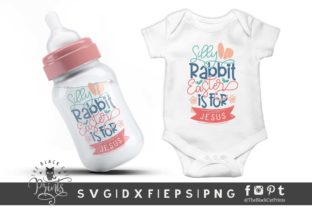
Why "Silly Bunny, Easter Is for Jesus" Resonates in a Secular Age
Easter brings a peculiar collision of imagery: pastel eggs, chocolate rabbits, and a resurrection narrative that built a faith. In recent years, a phrase has punched through the clutter: "Silly Bunny, Easter is for Jesus." At first glance it reads like a meme—a simple rebuke to the commercial bunny that overshadows the holiday's core. But dig deeper, and this short statement reveals powerful currents in culture, consumer behavior, and professional communication that every entrepreneur, marketer, creator, and leader ought to understand.
This article unpacks what the phrase means, why it has gained traction, and how it reflects broader shifts in the way people demand authenticity, clarity, and purpose from the brands and messages they encounter. We'll explore practical implications for your work and connect the dots to the larger landscape of meaning-driven commerce and media.
The Phrase as a Cultural Signal
"Silly Bunny, Easter is for Jesus" is a direct, often humorous re-centering of Easter's sacred identity. It pushes back against the softening of religious holidays into purely secular, commercial events. The bunny—a fertility symbol co-opted by candy companies—represents the commodified version of Easter. The phrase doesn't condemn the bunny; it simply puts it in its place: a fun accessory, not the point.
For professionals and creators, this signals something critical: audiences are paying attention to which values you elevate. A mere seasonal sale with bunnies and eggs will land differently today than a decade ago. People have grown more discerning about the difference between decoration and meaning. Consumers increasingly evaluate whether a brand's Easter messaging feels hollow or grounded in genuine conviction—whether religious, secular, or somewhere in between.
The phrase isn't just a Christian catchphrase. It's a case study in clarity of purpose. In an era of information overload, the ability to state unambiguously what you stand for is a superpower. Whether you're a freelance designer sending a holiday card or a marketing agency crafting a campaign, the underlying lesson applies: audiences respond to messages that know what they are and what they are not.
Broader Trends: The Demand for Authenticity and Meaning
Trends in consumer behavior and lifestyle have converged to make "Silly Bunny, Easter is for Jesus" more than a niche slogan. The rise of authenticity marketing and the search for meaning in everyday transactions are reshaping entire industries.
Consider the explosion of purpose-driven branding. Customers want to know the "why" behind a product. They reward companies that take clear stands, even on divisive topics. A 2023 study by the Edelman Trust Barometer found that 64% of consumers choose brands based on their values and belief in what they represent. The "Silly Bunny" phrase taps into that expectation: it's a value claim, not a product pitch. It says, "There is a deeper reality here; don't get distracted."
Simultaneously, the decentralization of media allows niche communities to amplify messages that mainstream channels might ignore. A meme about Easter's true meaning can travel through Instagram, YouTube shorts, and email newsletters, bypassing traditional gatekeepers. For creators and entrepreneurs, this underscores the importance of micro-communities. You don't need a million followers to have influence; you need resonance with the right ones.
Another trend is the hybrid sacred-secular marketplace. Religious holidays increasingly coexist with secular celebrations. Businesses navigate this by offering themes, but the most successful ones respect the spectrum. A retailer selling Easter baskets alongside "Happy Easter" signs understands the tension. The "Silly Bunny" phrase is a reminder that some consumers feel the tension deeply and appreciate when a brand acknowledges it rather than whitewashing it.
Why Professionals Are Paying Attention
If you're a seasoned marketer, entrepreneur, or creator, you might wonder why a simple phrase warrants deep analysis. The answer lies in changing audience expectations around messaging and identity.
First, fragmentation of trust. In a post-truth, mass-media-skeptical environment, audiences look for signals of sincerity. A brand that uses "Silly Bunny, Easter is for Jesus" in its content (appropriately, with respect) signals that it is aware of cultural nuances and willing to take a stand. That builds trust, even among those who don't share the same religious belief. People respect clarity.
Second, the need to avoid generic noise. The holiday marketing landscape is saturated with cute bunnies and pastel color schemes. Standing out requires either hyper-personalization or a strong point of view. The "Silly Bunny" phrase provides a template for the latter: state your core, then build around it. For example, a small bakery could use the sentiment to differentiate its Easter treats: "Yes, we have bunny cookies, but Easter is about more than cute shapes—here's how we celebrate." It's a subtle but powerful repositioning.
Third, the rise of values-based employee and customer communities. Professionals working in creative or tech fields often lead teams where diverse viewpoints coexist. Acknowledging varied beliefs—while maintaining a clear organizational identity—is a modern leadership skill. The phrase illustrates how to hold a conviction without being aggressive. It's firm, but playful. That tone is increasingly valuable in internal communications and external brand voice.
Practical Examples and Observations
Let's ground this in concrete scenarios. Imagine you're a freelance graphic designer creating an Easter-themed social media package for a faith-based nonprofit. Using "Silly Bunny, Easter is for Jesus" as a conceptual anchor, you could design a series that juxtaposes whimsical bunny art with deep historical narrative. The campaign would be both charming and substantive—a combination that performs well in attention economies.
Now picture a tech entrepreneur leading a remote team. During the Easter season, internal communications can acknowledge the holiday's spiritual roots alongside the company's values. A message that says, "While we enjoy a long weekend and some chocolate, many of our team celebrate Easter as a profound religious event—let's respect both the fun and the sacred." That is the "Silly Bunny" principle applied to leadership: honor the whole picture.
For content creators on platforms like YouTube or TikTok, incorporating the phrase can spark engagement. A short video titled "Silly Bunny, Easter is for Jesus (and why I stopped hiding my faith at work)" could tap into the broader conversation about authenticity in professional life. The hook is clear; the discussion that follows is valuable for audiences grappling with the same tensions.
Observations from the consumer side: In 2024, a major candy brand released an Easter ad that focused entirely on family gatherings and egg hunts, avoiding any mention of the holiday's religious aspect. While that's fine for many consumers, comments sections quickly pointed out the omission. The "Silly Bunny" sentiment captures that pushback: don't erase meaning to sell more product; find a way to celebrate fully.
Connecting to Larger Developments: Meaning, Commerce, and Community
The "Silly Bunny, Easter is for Jesus" phenomenon is not isolated. It connects to at least three macro-level developments that professionals should watch.
1. The De-Commoditization of Holidays. In the last decade, many holidays have been stripped of their original context. Christmas is arguably the most commercialized, but Easter was close behind. However, a counter-movement is growing. People are intentionally reclaiming the roots of holidays—whether through religious observance, historical reenactment, or cultural education. Entrepreneurs can participate by offering products and services that facilitate deeper engagement, such as Easter devotionals, historical storytelling products, or ethical chocolate that supports communities.
2. The Rise of Value-Driven Brand Communities. Brands no longer just sell; they gather. The most successful ones operate like communities with shared values. The "Silly Bunny" phrase is a value statement that can rally a segment of the market. If you can identify a clear value your brand holds and articulate it with humor and clarity, you attract people who share that value. This works for B2B and B2C alike. For instance, a business software company could align with the "Easter is for Jesus" crowd by emphasizing integrity and stewardship in its tools.
3. The Integration of Faith and Professional Life. For decades, many professionals kept their faith private, fearing it would harm their career. That norm is shifting. More entrepreneurs and creatives openly integrate their beliefs into their work, without being divisive. The "Silly Bunny" phrase offers a model: it's direct yet not combative. It invites conversation. In a diverse workplace, modeling how to state deeply held beliefs while respecting others is a skill worth developing.
Actionable Takeaways for Creators, Marketers, and Leaders
So how do you apply the insight from "Silly Bunny, Easter is for Jesus" to your own work, without appropriating a phrase that may not fit your personal brand?
- Clarify your core message. What is the one thing your seasonal campaign or business communication must convey? Strip away the decoration and ensure the core is visible.
- Use humor to defuse tension. The "silly bunny" framing acknowledges the secular side while elevating the sacred. You can replicate this tone: friendly, confident, not defensive.
- Respect the fullness of your audience's lives. Whether you serve a faith-based niche or a general market, recognize that holidays carry layered meanings. Acknowledge all layers, even if you focus on one.
- Be willing to take a stand. In a crowded marketplace, neutrality is often overlooked. A clear point of view—even one that narrows your audience—can build deeper loyalty.
- Test cultural memes and phrases. Sometimes a simple expression can unlock a larger truth. Pay attention to what resonates in your community and use it as a lens for strategy.
For professionals who work across industries, these takeaways transcend Easter. Every holiday, product launch, or company milestone can be served by the same principles: honor the core, state it clearly, and allow the fun elements to enhance rather than obscure.
Conclusion: The Enduring Relevance of a Four-Word Meme
"Silly Bunny, Easter is for Jesus" may seem trivial, but its staying power reveals deep needs in our culture: the need for clarity, authenticity, and respect for meaning. As a marketer, creator, entrepreneur, or leader, you are in the business of communication. Whether you use these exact words or not, the lesson holds: never let the bunny steal the story.
In a world of noise and distraction, the people who succeed are those who can state their purpose without apology, while still making room for others to find their own truth. That is the professional application of a silly phrase about a bunny and Jesus. And it's worth remembering, long after the chocolate has melted.