Embracing the Full Spectrum of Christmas: Mistletoe, Candy Canes, Jesus, Hot Cocoa, and Christmas Movies
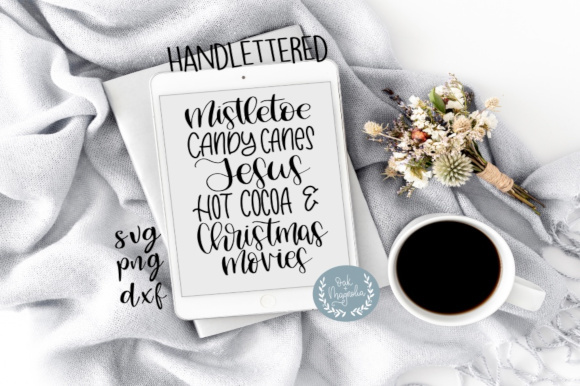
The holiday season has become a layered cultural tapestry—part ancient tradition, part commercial spectacle, and part deeply personal ritual. For years, marketers and creators have tried to segment these layers: secular decorations over here, religious messages over there, cozy lifestyle content in a separate silo. But a quiet, organic shift is now pulling all the threads together. The phrase Mistletoe Candy Canes Jesus Hot Cocoa and Christmas Movies might sound like a whimsical inventory of festive items, but it actually captures a growing consumer and creator movement: the desire for an integrated, multi-sensory, and meaning-rich Christmas experience. This is not about picking one theme and running with it; it’s about allowing the sacred, the sweet, the sentimental, and the social to coexist within a single holiday moment, a single brand message, or a single evening at home.
What This Concept Really Represents
At its core, Mistletoe Candy Canes Jesus Hot Cocoa and Christmas Movies is an all-in, no-apologies embrace of everything that makes December distinct. Mistletoe symbolizes romance and playful tradition; candy canes bring nostalgia and visual peppermint joy; Jesus anchors the season in its Christian foundation; hot cocoa adds a sensory, cozy, indulgent element; and Christmas movies provide the narrative—the stories we watch together, from It’s a Wonderful Life to Elf or a Hallmark romance. This combination is not random: it mirrors the actual way many families and individuals celebrate today. A living room might have a Nativity set next to a bowl of candy canes, with a mug of hot cocoa on the table while a Christmas film plays. Brands that treat these elements as separate miss the opportunity to resonate with people for whom Christmas is all of the above—not a menu of options but a single rich experience.
For professionals and creators, this signals a shift in how holiday content and products are designed. Instead of creating a “faith-based” category and a “secular fun” category, forward-looking strategies blend them. A hot cocoa brand over the next few years might partner with a faith influencer to launch a “God Is in the Cozy Details” campaign that shows mugs next to Christmas tree ornaments that reference both Bethlehem and candy canes. The insight is that the audience does not rigidly separate these dimensions; they flow between them in the same evening, the same Instagram story, the same gift.
Why People Are Paying Attention
Several macro-trends are converging to make Mistletoe Candy Canes Jesus Hot Cocoa and Christmas Movies a relevant framework. First, the experience economy continues to mature. Consumers, especially after years of digital overload, want tangible, immersive moments. The combination of taste (hot cocoa), visuals (candy canes and mistletoe decorations), audio (movie soundtrack), and spiritual meaning (Jesus) creates a layered, memorable experience that a single product or message cannot. Professionals in the lifestyle and retail sectors are noticing that the most successful holiday pop-ups and product bundles are those that offer a complete aesthetic and emotional package—the warm drink, the nostalgic treat, the ambient story.
Second, there is a growing push for authenticity in marketing. Audiences can spot when a brand uses Christian symbols without sincerity, or when it avoids them for fear of controversy. The inclusive and specific nature of this phrase shows a willingness to name the religious core alongside the secular fun, which resonates with the many consumers who do not compartmentalize their faith from their daily life. For Christian entrepreneurs, creators, and marketers, this is a powerful permission structure to be present in mainstream holiday conversations without erasing Jesus.
Third, the rise of cozy content—from hygge to cottagecore to “cozy gaming” and slow living—has made hot cocoa, movies, and twinkling lights a staple of influencer feeds. Adding the Jesus element prevents the cozy aesthetic from becoming hollow. The phrase itself is appearing more often in lifestyle blogs, Pinterest boards, and product descriptions because it signals depth. People do not want only decoration; they want meaning that holds together disparate pieces. This concept offers coherence.
Changing Needs and Expectations
The modern holiday content consumer—whether they are a parent planning family activities, a freelance content creator scheduling posts, or a small business owner curating gift boxes—has needs that are shifting away from one-dimensional themes. They ask: How can I capture the wonder of Christmas without excluding any part of what makes it special? Traditional approaches forced a choice: a “secular winter wonderland” or a “religious celebration.” But the emerging expectation is that a single brand, channel, or product line can hold both. A blogger writing about Mistletoe Candy Canes Jesus Hot Cocoa and Christmas Movies does not have to bifurcate their audience. They can show a table setting with a red cup of cocoa next to a Bible verse card, and their followers—many of whom hold both secular and sacred values—feel seen.
For professionals in e-commerce and content strategy, this means rethinking product bundles, email sequences, and social media calendars. Instead of a “Classic Christmas” category and a “Religious” category, create a single “Ultimate Christmas Evening” bundle that includes cocoa mix, candy canes, a mistletoe sprig (dried), a mini nativity ornament, and a streaming playlist code for Christmas movies. This product directly translates the concept into a tangible item that addresses a new market: people who want to streamline their holiday hosting or gifting by getting a complete, curated experience that respects every layer.
Workflows also adapt. A creator planning a video series might structure it around the five elements: one week focus on setting up the mistletoe and sharing a romance story, the next on making candy cane hot cocoa, then a deeper reflection on Jesus, then a movie recommendation segment. This structure naturally covers a month of content while embedding the phrase organically. It avoids repetitive “Christmas things to do” lists; it offers a holistic lens that feels fresh.
Practical Examples in Action
Small businesses are already testing this integration. Consider a hot cocoa company that sells “Believe in the Magic” gift sets. They add a free download: a family guide titled Mistletoe Candy Canes Jesus Hot Cocoa and Christmas Movies: A 5-Day Family Celebration. The guide suggests one day for each element, culminating in a movie night. The product becomes more than cocoa—it becomes an experience system. Another example: a home decor brand offers a “Festive Faith” box that includes a candy cane-scented candle, a wooden sign with “Jesus Is the Reason,” a mistletoe cluster for the doorway, and a pack of hot cocoa stirrers. In reviews, customers explicitly mention that they love not having to choose between “precious” and “cozy.”
On the content side, influencers who produce “Christmas morning routines” or “Christmas Eve prep” vlogs are increasingly showing the “blended” aesthetic. A vlogger might pan over a coffee table: a mug of cocoa with a candy cane stirrer, a Bible open to the Christmas story, and the remote ready to play The Santa Clause. They might not explicitly say the keyword every time, but the visual combination embodies Mistletoe Candy Canes Jesus Hot Cocoa and Christmas Movies. Savvy brands look for these creators to partner with, because their content aligns with the integrated consumer mindset.
Even in business-to-business contexts, the concept appears. A corporate holiday party planner might pitch a “Full Spectrum Christmas” event: the venue decor includes mistletoe corners, candy cane sticks as favors, a hot cocoa bar with a Jesus-themed cookie station (with star-shaped cookies), and a screening of a classic Christmas movie in a side lounge. The pitch works because it appeals to employees who have diverse expectations—they want fun, tradition, spirituality, and comfort in one setting.
Connecting to Larger Developments
The rise of Mistletoe Candy Canes Jesus Hot Cocoa and Christmas Movies connects to several larger shifts. First, the decompartmentalization of identity is a hallmark of modern culture. People increasingly reject labels that force them into boxes (e.g., “spiritual but not religious” vs. “devout Christian”). Instead, they claim “both/and” identities. They can be deeply faithful and also love a secular candy tradition; they can watch a Hallmark movie after reading the Christmas story. Brands that acknowledge this fluidity earn trust and stickiness. The phrase functions as a shorthand for that integrated identity during the holiday season.
Second, the personalization paradox—where consumers want bespoke experiences but also crave simplicity—is solved by curated bundles. The concept is a ready-made curation: instead of “choose your own adventure” holiday, it offers “here is the complete adventure, already assembled.” This aligns with the subscription box and convenience culture, but adds moral and emotional resonance.
Third, the renaissance of seasonal content in the creator economy is fueling demand for distinctive angles. Every Christmas, millions of lists are published. But a guide that explicitly combines faith, flavor, film, and fun stands out in a sea of generic “Holiday Bucket Lists.” For marketers, this is a differentiation opportunity. For freelancers and entrepreneurs, it offers a scalable, repeatable framework for selling holiday packages that feel both comprehensive and personal.
Practical Application for Professionals
If you are a creator, marketer, or business owner, consider making Mistletoe Candy Canes Jesus Hot Cocoa and Christmas Movies your new mental model for holiday planning. Audit your current offering: does it cover at least three of these dimensions? If not, how can you layer them in? For a freelance writer, pitch a holiday series that explores each element in turn for a lifestyle publication—editors love themed week series. For a product designer, ask: “Does my packaging allow the user to display or use these items together? Can I print a small card that explains the significance of each element?”
Even in internal team celebrations, this concept can enhance cohesion. A company could host a “December All-Hands Meeting” that starts with hot cocoa and candy canes (sensory warmth), includes a moment of reflection on values (Jesus element for those who appreciate it, but framed as universal kindness), uses a digital Christmas movie loop as background, and encourages wearing festive accessories like mistletoe pins. The point is to acknowledge that professionals are entire people, not just nine-to-fivers; their holiday joy is multifaceted, and a holistic approach respects that.
The ongoing evolution of holiday commerce and content points toward greater integration, not less. As consumers continue to seek depth, warmth, and authenticity, the all-together approach—candy canes, Jesus, cocoa, mistletoe, and movies—provides a durable, resonant, and infinitely adaptable foundation. It is not about compromising or diluting; it is about embracing the full spectrum of what Christmas means to millions of people. And that is a message worth creating content around, building products around, and celebrating together.