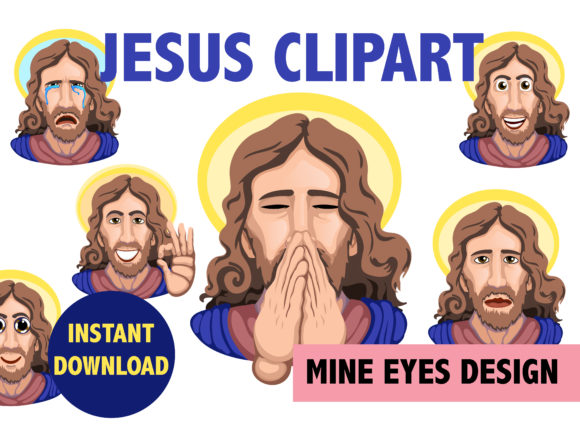
Jesus Clipart: A Practical Guide for Meaningful Visual Content
Creating engaging materials for faith-based settings often requires visuals that communicate reverence, warmth, and clarity. Whether you are preparing a Sunday school lesson, designing a church bulletin, or building content for a ministry website, the right image can make all the difference. Jesus clipart serves as a versatile resource that helps you convey biblical narratives and spiritual concepts without requiring professional design skills or expensive stock photography. This guide explores how Jesus clipart can solve common challenges, meet practical needs, and help you create content that truly serves your audience.
What Is Jesus Clipart and Why Does It Matter?
Jesus clipart refers to digital illustrations, icons, and graphic representations of Jesus Christ, often in situations from the Gospels or in symbolic poses such as teaching, healing, or praying. Unlike detailed paintings or realistic photographs, clipart typically uses simplified shapes, clear lines, and intentional styling that makes it easy to use in various media. Many people turn to Jesus clipart because it provides a recognizable, respectful image that works well in printed handouts, digital presentations, and online posts.
The importance of using appropriate imagery in faith-based communication cannot be overlooked. A well-chosen clipart image can help children understand a parable, prompt deeper reflection during a study session, or give a flyer a polished, professional appearance. When you select Jesus clipart thoughtfully, you honor both the subject matter and the people who will view your work. This balance between reverence and accessibility makes Jesus clipart a valuable tool for churches, schools, and individuals alike.
Common Challenges When Sourcing Jesus Clipart
Finding the right Jesus clipart is not always straightforward. Many users encounter several specific frustrations:
- Quality concerns: Some clipart looks amateurish, pixelated, or poorly proportioned, which undermines the seriousness of your materials.
- Theological appropriateness: Different denominations and cultural contexts have varied expectations about how Jesus should be depicted. A cartoonish or inaccurate representation can cause distraction or offense.
- Limited diversity: Many clipart collections feature only one narrow depiction of Jesus, which may not reflect the global nature of Christianity or the cultural backgrounds of your audience.
- Licensing and usage restrictions: Downloading an image without proper permissions can lead to legal issues, especially when used in published materials or on commercial platforms.
- Inconsistent style: Mixing clipart from different sources can result in mismatched aesthetics that look disjointed in a single document or presentation.
These challenges can slow down your workflow and make you question whether visual aids are worth the effort. Fortunately, with the right knowledge and resources, you can overcome each of these obstacles and use Jesus clipart effectively.
How Quality Jesus Clipart Addresses Your Needs
When you choose high-quality Jesus clipart, you address the core needs that drive your project. The first need is clear communication. For instance, a story like the Good Samaritan or the Feeding of the Five Thousand becomes more memorable when accompanied by a simple, understandable image. Clipart that strips away unnecessary detail helps viewers focus on the essential message.
The second need is engagement. People respond to visuals faster than text alone. In a classroom or a social media feed, an appealing clipart illustration of Jesus can capture attention and encourage further reading. This is especially valuable for reaching younger audiences or those who are new to faith exploration.
The third need is consistency and professionalism. Using a unified set of Jesus clipart across your materials—bulletins, newsletters, slides, and websites—creates a cohesive visual identity. This strengthens trust and makes your organization appear well-organized and intentional.
Additionally, quality Jesus clipart often includes diverse representations that honor the global church. You can find images that depict Jesus in ways that resonate with different cultural groups, helping every person feel seen and included. This inclusivity is not just a nice-to-have; it reflects the universal message of the Gospels.
Practical Applications of Jesus Clipart in Different Settings
Jesus clipart is not limited to one type of use. Its versatility means you can apply it across a wide range of contexts, each with distinct goals.
Church Bulletins and Newsletters
A weekly bulletin benefits from a small clipart of Jesus teaching or a relevant scene from the week's sermon. This simple addition draws the eye, breaks up text, and reinforces the theme. For seasonal services, such as Christmas or Easter, themed clipart helps create anticipation and reverence.
Sunday School and Children's Ministry
Young learners thrive on visuals. Coloring pages, activity sheets, and story handouts that include Jesus clipart provide a focal point for discussion. Using images where Jesus interacts with children or performs miracles can make abstract concepts more tangible. You can even use clipart to create simple memory verse cards or take-home materials.
Social Media and Online Ministry
Social media posts compete for attention in crowded feeds. A thoughtful Jesus clipart image paired with a Bible verse or a short reflection can stop the scroll and invite engagement. Many ministry pages use clipart to illustrate daily devotionals, event promotions, or prayer requests. Because clipart files are usually small, they load quickly on mobile devices.
Personal Bible Study and Journaling
Individuals who create their own study notes or prayer journals often incorporate Jesus clipart to mark important sections or to add a visual element that aids memory. Printing and pasting a small image or using digital clipart in a note-taking app can personalize the study experience and make it more enjoyable.
Presentations and Sermon Slides
During worship services or teaching events, slides with text alone can feel flat. Adding a subtle Jesus clipart background or a corner illustration reinforces the spoken message without being distracting. The key is to keep the image simple and supportive, not overwhelming.
Recommendations for Choosing Jesus Clipart
To get the most out of Jesus clipart, consider the following criteria when selecting images:
- Artistic style: Choose a style that matches the tone of your material. Line art works well for coloring pages, while soft, watercolor-style clips suit devotional materials. Bold, modern illustrations may fit contemporary social media feeds.
- Licensing clarity: Look for clipart that explicitly states its usage terms. Public domain, Creative Commons, or royalty-free licenses offer flexibility. Always check whether attribution is required and whether commercial use is allowed.
- Resolution and format: For print materials, select high-resolution images (300 DPI or higher). For digital use, smaller file sizes in PNG or JPEG format are preferable. Vector-based clipart (SVG files) scales without losing quality, making it a wise investment.
- Diversity and representation: Seek collections that offer a range of depictions, including different ethnicities, ages, and settings. This ensures your materials speak to a broader audience.
- Contextual fit: An image of Jesus praying in Gethsemane may suit a Lenten series, while a clipart of the resurrection works best for Easter. Consider the specific narrative or theme you are addressing.
Building a small library of trusted Jesus clipart sources can save you time and prevent frustration. Some websites offer free samples, while premium collections provide more curated, consistent sets. It is worth investing in a quality collection if you create materials regularly.
How Different Users Approach Jesus Clipart
Your role and goals influence how you use Jesus clipart. Understanding these different approaches can help you refine your own strategy.
Educators and Sunday school teachers often prioritize simplicity and clarity. They need images that communicate a story without extra details that could confuse young children. They may also look for clipart that can be printed in black and white for cost-effective handouts.
Church administrators and communications directors focus on consistency and brand identity. They prefer a unified set of clipart that can be used across bulletins, flyers, and digital displays. They also pay close attention to licensing to avoid legal complications.
Graphic designers and content creators look for flexibility. They might use clipart as a base and customize it—adjusting colors, adding text overlays, or combining multiple images. For them, vector formats and transparent backgrounds are essential.
Parents and family ministry volunteers often need quick, accessible resources. They appreciate clipart that is ready to use for home activities, such as coloring pages or story prompts. They may prioritize free or low-cost options that don't require extensive design training.
Each user group benefits from the same core resource but applies it according to their specific context. The best Jesus clipart collections accommodate this range of needs by offering variety in style, format, and theme.
Useful Considerations for Implementation
Once you have selected your Jesus clipart, thoughtful implementation ensures your visuals serve their purpose. Start by considering the file format. For most digital applications, PNG files with transparent backgrounds give you the most flexibility. For print, TIFF or high-resolution JPEGs are reliable. If you plan to resize images frequently, SVG vector files are your best choice.
Editing clipart is sometimes necessary. You may need to crop an image, adjust its brightness, or overlay text. Simple editing tools like Canva, Photoshop, or even free options like GIMP can handle these tasks. When editing, maintain the dignity of the image—avoid distorting proportions or adding elements that might trivialize the subject.
Cultural sensitivity deserves careful attention. Different communities hold varying views on depicting Jesus. Research your audience's preferences if possible. In some contexts, symbolic imagery like a shepherd or a light is preferred over a direct human depiction. Jesus clipart that includes symbols such as a cross or a fish can serve as alternative visuals when needed.
Finally, test your materials with a small group before wider distribution. Ask for feedback on clarity, appropriateness, and overall impression. This step can reveal issues you might not have noticed and helps you refine future projects.
By approaching Jesus clipart as a practical, purposeful resource rather than just decoration, you elevate your communications and better serve your community. Whether you are preparing a single bulletin or building an entire curriculum, the right clipart helps you share timeless stories in a fresh, accessible way. Focus on your audience's needs, choose images that align with your message, and implement them with care. The result will be materials that inform, inspire, and connect.